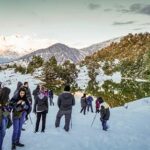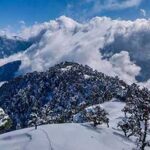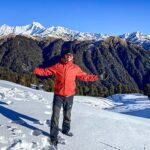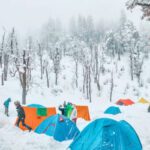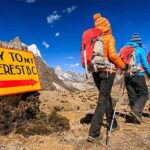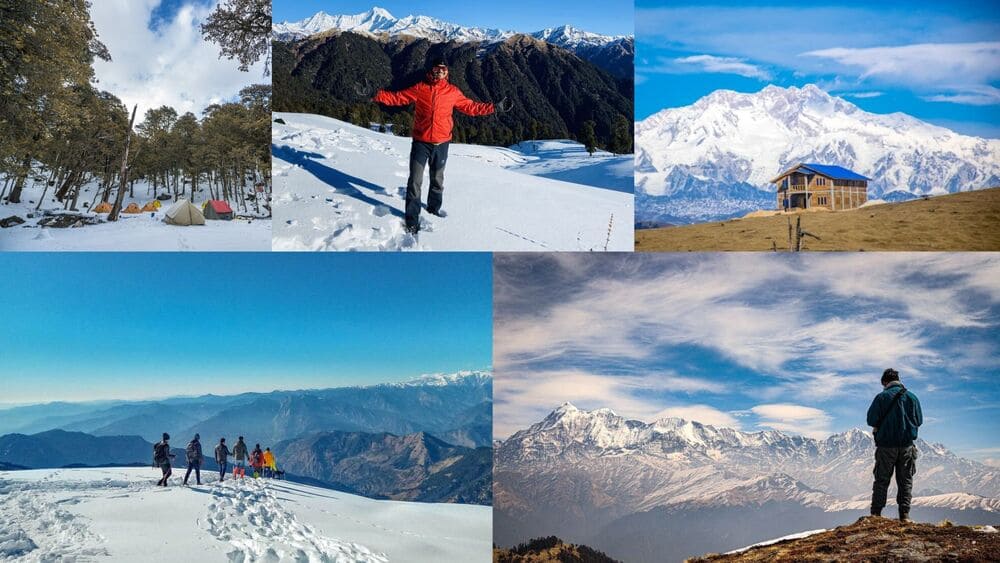
If you’re planning a trek in January, you’re probably thinking about one thing: snow. And rightly so.
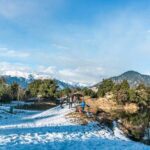
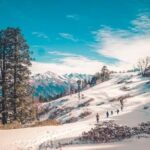
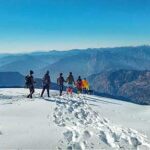
January is when the Himalayas are at their best for winter trekking. The trails are completely covered in snow, from forest sections to open ridges, and the mountains look raw and untouched.
But choosing the right trek matters!
You pick the wrong one, and winter can feel overwhelming.
You pick the right one, and it becomes unforgettable.
Therefore, I’ve listed the best treks in January 2026, from popular winter classics to less-crowded trails that still deliver snow and stunning views.
So, whether you’re new to winter trekking or looking to push your limits, this list will help you decide where to go and why.
- 1. Nag Tibba Trek (Uttarakhnad)
- 2. Chopta Chandrashila Trek (Uttarakhand)
- 3. Dayara Bugyal Trek (Uttarakhand)
- 4. Kedarkantha Trek (Uttarakhand)
- 5. Brahmatal Trek (Uttarakhand)
- 6. Kuari Pass Trek (Uttarakhand)
- 7. Sandakphu Trek (West Bengal)
- 8. Chadar Trek (Ladakh)
- Lesser-Known Treks in January (For Quiet Seekers)
- FAQ about Best Treks in January 2026
1. Nag Tibba Trek (Uttarakhnad)
Difficulty: Easy
Best for: Beginners, Families, Weekend Trekkers
Duration: 2 Days
Max Altitude: ~9,900 ft
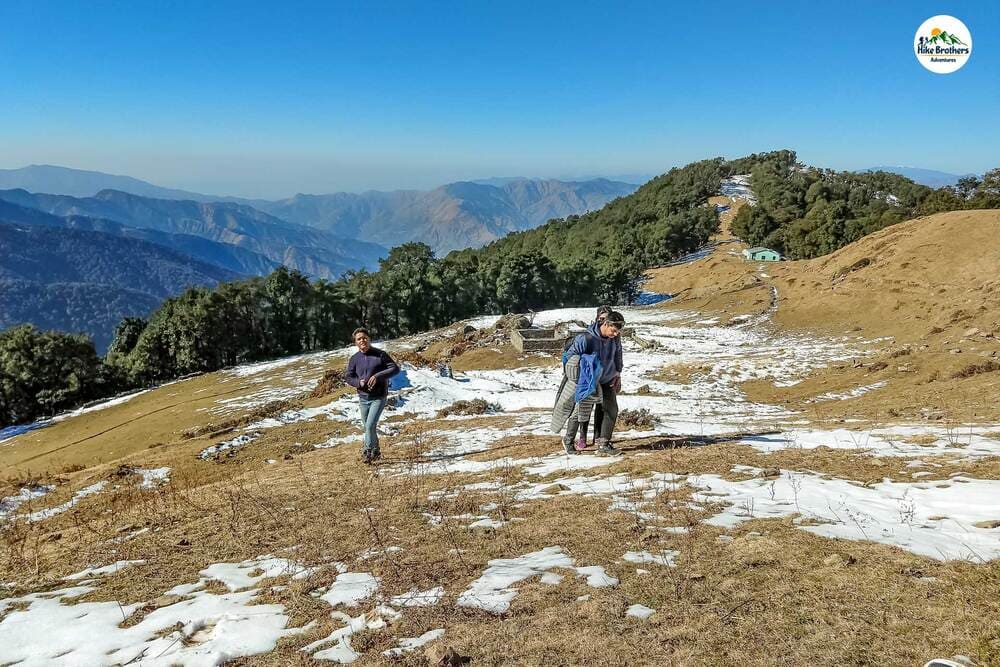
I’ve trekked to Nag Tibba many times, in different seasons, and I can confidently say this: Nag Tibba is one of the best treks in January for beginners and families. In fact, when someone asks me which trek they should choose for their first snow experience, this is almost always my first recommendation.
Often referred to as the “Sergeant’s Peak,” Nag Tibba is one of the most accessible winter treks in India. What really makes it special in January is how reliable the snow conditions are. You don’t have to worry about missing snow or dealing with extreme terrain. The altitude gain is gradual, the trail is clearly defined, and yet the winter experience feels complete and satisfying.
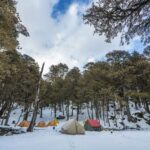
That said, by January, Nag Tibba becomes a proper snow trek. The forest sections—filled with oak and rhododendron trees—are completely covered in snow, and in most cases, you start walking on snow right from the lower sections of the trail. Furthermore, campsites sit under thick snow sheets, and the summit climb gives you that exciting “first summit” feeling without pushing you into risky or technical terrain.
What always surprises me is the view from the top. For such a short trek, the summit delivers big. On a clear morning, you can spot Bandarpoonch, Swargarohini, Kala Nag, and even parts of the Gangotri range standing tall against the winter sky.
Why Nag Tibba Stands Out in January?
- One of the most reliable snow treks in January
- Safe altitude profile with minimal AMS risk
- Perfect balance of forest walks, snow trails, and a summit climb
- Short duration, easy to manage for working professionals and families
- Excellent option for kids (above a suitable age) and first-time trekkers
Nag Tibba Trek – Short January Itinerary
Day 1: Drive from Dehradun to Pantwari and Trek to Nag Tibba Base Camp
Scenic drive followed by a gradual forest trek. Snow usually starts appearing on the trail. Overnight camp in the snow.
Day 2: Trek from Base Camp to Nag Tibba To and Return. Drive from Pantwari to Dehradun
Early morning snow-covered summit climb with Himalayan views, then descend and return.
2. Chopta Chandrashila Trek (Uttarakhand)
Difficulty: Easy to Moderate
Best for: Fit Beginners, Short Snow Treks
Duration: 3–4 days
Max Altitude: ~13,000 ft
Chopta Chandrashila Trek in January is short, sharp, and incredibly beautiful. But what many people don’t realise is that Deoria Tal completes this experience perfectly. I always tell trekkers not to underestimate this route just because it looks short on paper.
January snow changes everything.
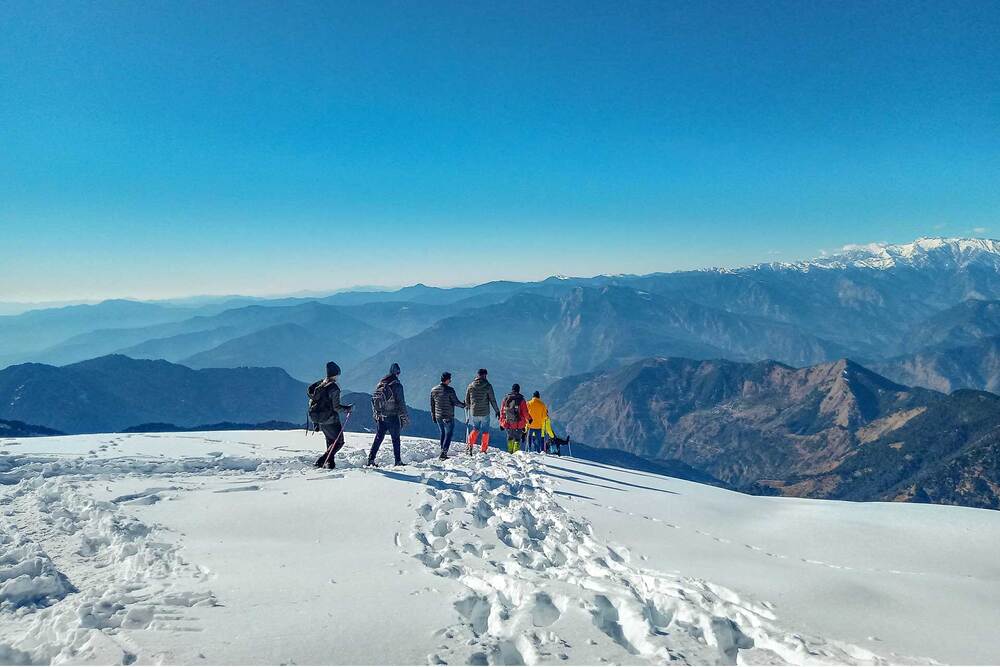
This is one trek that my team and I have done many times, and we’ve also organisedorganised it repeatedly for other trekkers during peak January. Every time we go here in winter, it surprises us. The amount of snow this region receives is impressive, and conditions feel like a proper high-altitude winter trek. You can feel the same in the following pictures.
Having said that, by January, the trail from Chopta to Tungnath and further to Chandrashila is usually fully covered in snow. From the first step, you’re walking on white trails. The climb gets steeper as you approach the summit, and the cold, wind, and snow together make summit day demanding but in a good way. It feels earned.
What makes this route even more special is visiting Deoria Tal at the start or end of the trek.
In January, Deoria Tal is often completely covered in snow, and the reflections of the surrounding peaks, including Chaukhamba Peak, in the lake are surreal. Sitting by the lake in winter, surrounded by snow and silence, sets the tone for what’s coming next. It’s calm, grounding, and a perfect contrast to the steep summit climb of Chandrashila.
Moving on, the summit itself is something else. On clear January mornings, the 360-degree view is massive. You’re surrounded by major Himalayan peaks, Nanda Devi, Trishul, Chaukhamba, Kedar Dome and standing there in winter really puts things into perspective.
Honestly, it’s hard to express the feeling in words. It’s one of those moments where you just stand still and take it all in.
Why Chopta–Chandrashila with Deoria Tal Stands Out in January?
- Heavy and consistent snowfall during peak winter
- Snow-covered trail right from Chopta
- Deoria Tal adds a calm, scenic winter experience
- Short trek but a true summit climb
- Stunning 360-degree Himalayan views from Chandrashila
- Ideal if you want a compact yet complete winter trek
Chopta Chandrashila Trek (with Deoria Tal) – Short January Itinerary
Day 1: Drive to Sari Village and Trek to Deoria Tal
Short forest trek to the lake. Snow around the trail and campsite. Overnight near Deoria Tal.
Day 2: Trek from Deoriatal Lake to Sari and Drive to Chopta
Easy morning walk back, followed by a drive to Chopta. Cold temperatures and snow-covered surroundings.
Day 3: Trek from Chopta to Tungnath to Chandrashila Summit and Return to Chopta
Early morning summit push on snow. Steep climb, strong winds, and panoramic Himalayan views.
Day 4: Return journey
3. Dayara Bugyal Trek (Uttarakhand)
Difficulty: Easy to Moderate
Best for: Beginners, Meadow Lovers
Duration: 4–5 days
Max Altitude: ~12,100 ft
Dayara Bugyal is one of the easiest and most satisfying ways to experience vast snow-covered meadows, and that’s exactly why it works so well for beginners. I’ve seen many first-time trekkers fall in love with winter trekking here—not because it’s dramatic or extreme, but because it lets you enjoy snow without feeling intimidated at any point.
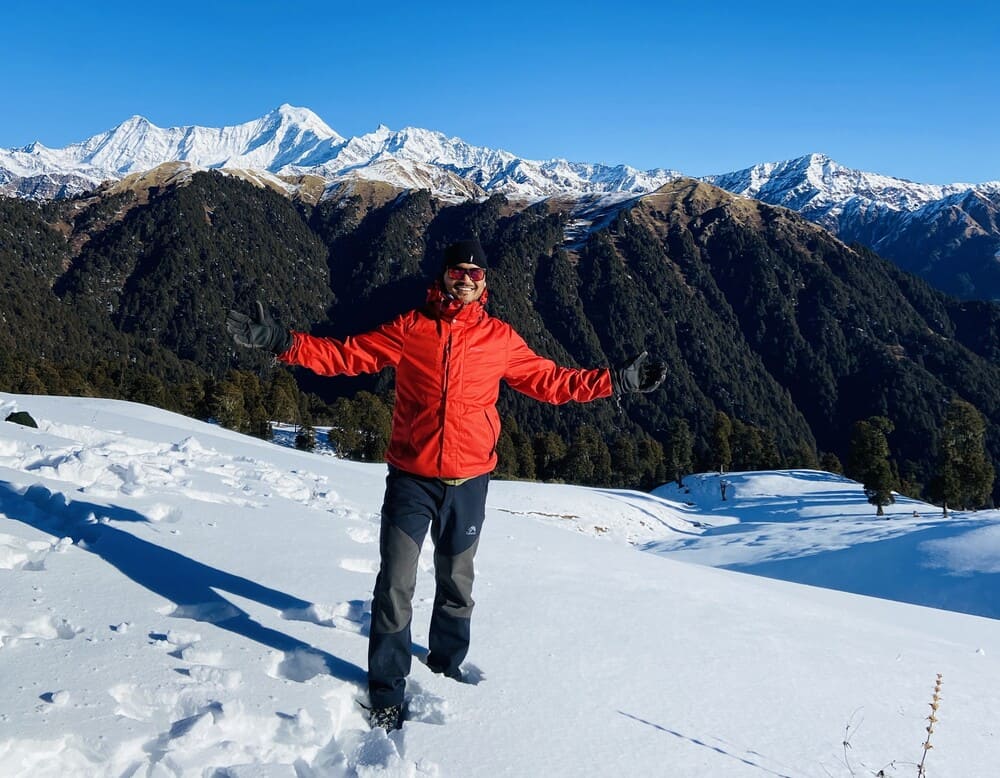
I did the Dayara Bugyal Trek in the last week of January, and honestly, I was stunned by what this trek offers in peak winter. By that time, the meadows had completely disappeared under a thick blanket of snow. What is green and rolling in summer turns into endless white fields in January. Walking across those meadows felt unreal—soft snow underfoot, wide open space ahead, and snow-capped peaks standing all around you.
What I really appreciate about Dayara Bugyal is the gentle nature of the trail. There are climbs, but nothing feels rushed or steep. You’re not constantly watching your steps or worrying about exposure. Instead, you walk at a steady pace, soaking in the surroundings. This makes it ideal for anyone who wants to experience snow trekking without the pressure of summit pushes or technical sections.
One moment that stayed with me was camping in the meadows. Pitching my tent on snow and then stepping out to see snow-clad peaks right from the tent “balcony” was something special. Early mornings were quiet and cold, with soft light hitting the peaks, and evenings felt peaceful rather than harsh. That kind of experience is rare on beginner-friendly winter treks.
Dayara Bugyal isn’t about ticking off a summit. It’s about being in the landscape—walking through snow-covered meadows, camping in open views, and letting winter slow you down. And that’s exactly why it’s one of the best treks in January for beginners and anyone who wants a relaxed yet memorable snow experience.
Why Dayara Bugyal Stands Out in January?
- Endless snow-covered meadows that feel wide, open, and untouched
- Gentle trail gradients that let you enjoy walking on snow without constant strain
- One of the best treks to learn winter camping, snow walking, and cold-weather routines
- Open campsites with panoramic views of snow-clad peaks
- Perfect if you want a slow, scenic winter experience rather than a summit rush
Dayara Bugyal Trek – Short January Itinerary
Day 1: Drive to Raithal
A scenic mountain drive; cold temperatures and winter setting begin here.
Day 2: Trek from Raithal to Gui Campsite
Gradual forest climb with increasing snow cover. Overnight camping.
Day 3: Trek from Gui to Chilapada
Walk through open clearings and snow-covered stretches. Snow increases as you approach Chilapada.
Day 4: Trek from Chilapada to Dayara Top and Return to Gui
Early start. Walk across vast snow-covered meadows to Dayara Top, followed by a descent back to Gui.
Day 5: Trek from Gui to Raithal and Return journey
4. Kedarkantha Trek (Uttarakhand)
Difficulty: Easy to Moderate
Best for: Beginners, First-time Summit Trekkers
Duration: 4–5 days
Max Altitude: ~12,500 ft
If someone asks me for a trek that truly defines winter trekking in India, Kedarkantha is always part of that conversation. I’ve led and walked this trail multiple times, and January is when it shows its best side: solid snow, clear winter conditions, and a proper summit experience.
One thing I personally appreciate about Kedarkantha Trek in January is the noticeable drop in crowd levels compared to late December. Once the holiday rush is over, the trail feels more spacious. Campsites are calmer, forest sections feel quieter, and the overall experience becomes more immersive. You still meet fellow trekkers, but it doesn’t feel chaotic.
What really works in Kedarkantha’s favour is how well the trail builds you up for summit day. The initial days are spent walking through dense pine forests, where snow gradually starts appearing and thickens as you gain altitude.
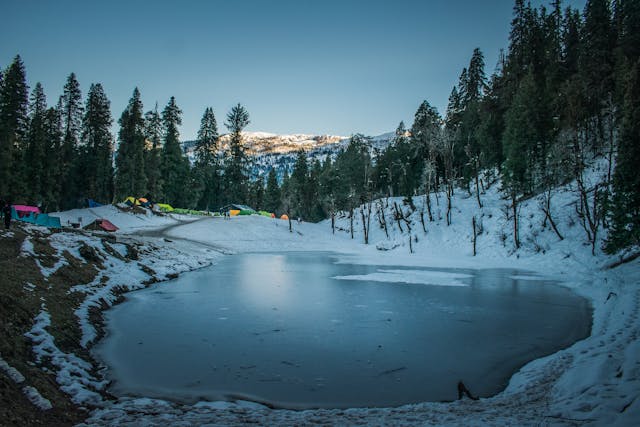
That said, one of the most memorable stops is Juda Ka Talab. In January, the lake is usually frozen, surrounded by snow-laden trees, and the campsite feels peaceful and untouched.
From Juda Ka Talab onwards, snow becomes continuous. The forests look straight out of a winter postcard, and campsites feel remote yet comfortable. The slower pace and fewer people on the trail give you time to adjust to walking on snow and dealing with cold conditions.
Summit day is where Kedarkantha truly leaves a mark. The climb starts early, often in complete darkness. Walking with a headlamp, following a single line of footprints on snow, with silence all around, is an experience you don’t forget easily. The cold is sharp, but the focus is intense.
As the sun rises, the summit opens up to wide Himalayan views. On a clear day, peaks like Swargarohini, Bandarpoonch, Black Peak, and Ranglana stand out clearly. Standing there with snow all around, after a quiet, focused climb, is often a first major summit moment for many trekkers, and that’s exactly what makes Kedarkantha special.
Why Kedarkantha Stands Out in January?
- Reliable and continuous snow from lower campsites all the way to the summit
- Fewer crowds after the December holiday rush, making the trek feel more immersive
- Gradual trail design that builds confidence before summit day
- Juda Ka Talab campsite is covered in snow, often with the lake frozen in January
- One of the best beginner-friendly summit treks in winter
- Stunning sunrise views from the summit on clear January mornings
Kedarkantha Trek – Short January Itinerary
Day 1: Drive from Dehradun to Sankri
Scenic mountain drive; cold temperatures set in.
Day 2: Trek from Sankri to Juda Ka Talab
Gradual forest climb with increasing snow. Overnight near the frozen lake.
Day 3: Trek from Juda Ka Talab to Kedarkantha Base Camp
Continuous snow trails through pine forests.
Day 4: Trek from Base Camp to Kedarkantha Summit and Descend to Juda Ka Talab / Sankri
Early morning summit climb in the dark, followed by descent.
Day 5: Return to Dehradun
5. Brahmatal Trek (Uttarakhand)
Difficulty: Moderate
Best for: Beginners ready for a challenge, Scenic Trek Lovers
Duration: 5–6 days
Max Altitude: ~12,250 ft
Brahmatal is for those who want snow but also want space. Compared to Kedarkantha, it feels calmer, wider, and more open. I usually recommend this trek to people who’ve already done one winter trek and now want something a bit more immersive, without jumping into extreme difficulty.
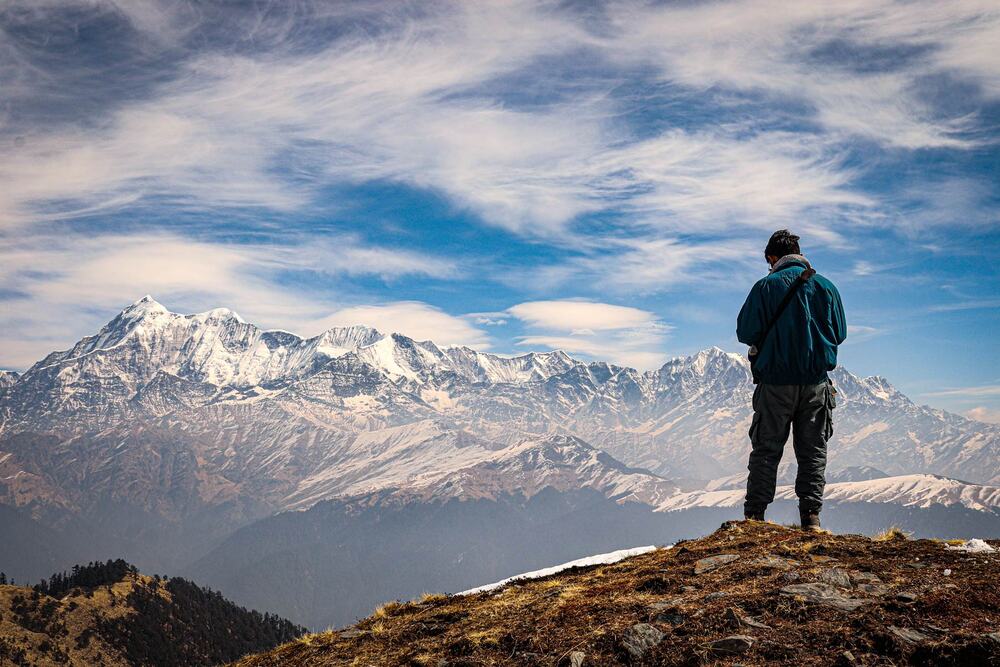
That said, January turns Brahmatal into a classic winter landscape. From the first couple of days, you’re walking on snow-covered trails that move through dense forests and then open out onto long ridges.
Moving on, one of the biggest highlights of this trek is its high-altitude lakes—Bekaltal and Brahmatal. In January, both are usually frozen, surrounded by snow-laden slopes. Camping near these lakes in winter feels quiet and remote, and mornings here are cold but incredibly beautiful.
What really sets Brahmatal apart is the ridge walk to Jhandi Top. This section gives you uninterrupted views of Mt. Trishul and Mt. Nanda Ghunti, standing massive and close. These ridge walks are long and steady, and in January, they’re often fully snow-covered, making every step feel like proper winter trekking.
Another interesting aspect of Brahmatal is that parts of the trail offer glimpses of the legendary Roopkund route. Walking here in winter, knowing the region’s history and stories, adds a different depth to the experience.
The forest sections deserve a mention too. The rhododendron forests around Brahmatal feel enchanting in winter. Snow settles on the branches, the trail goes quiet, and the walk becomes slow and rhythmic. These stretches demand patience—long snow walks, cold mornings, and steady climbs—but that’s exactly what makes Brahmatal rewarding. It’s a trek that teaches you to move with the mountains rather than rush through them.
If you’re looking for one of the best treks in January that offers snow, solitude, frozen lakes, and big mountain views, without pushing you into technical terrain, the Brahmatal Trek fits perfectly.
Why Brahmatal Works Well in January?
- Continuous snow-covered trails from forest sections to open ridges
- Frozen high-altitude lakes – Bekaltal and Brahmatal
- Scenic ridge walk to Jhandi Top with close-up mountain views
- Stunning views of Mt. Trishul and Mt. Nanda Ghunti
- Less crowded than popular winter treks, offering a calmer experience
- Demanding enough to feel rewarding, but not extreme
Brahmatal Trek – Short January Itinerary
Day 1: Drive to Lohajung
Cold mountain town; winter conditions begin here.
Day 2: Trek from Lohajung to Bekaltal
Snow-covered forest trails leading to the frozen lake campsite.
Day 3: Trek from Bekaltal to Brahmatal
Walk through forests and open stretches with continuous snow.
Day 4: Trek to Brahmatal Summit / Jhandi Top and Descend
Long ridge walk with panoramic Himalayan views, followed by a descend.
Day 5: Return Journey
6. Kuari Pass Trek (Uttarakhand)
Difficulty: Moderate
Best for: Experienced Beginners, Endurance Trekkers
Duration: 5–6 days
Max Altitude: ~12,500 ft
Kuari Pass is a proper winter journey, not a quick summit chase. I usually suggest this trek to people who enjoy long walking days and want to feel a steady sense of progression as the landscape slowly changes around them.
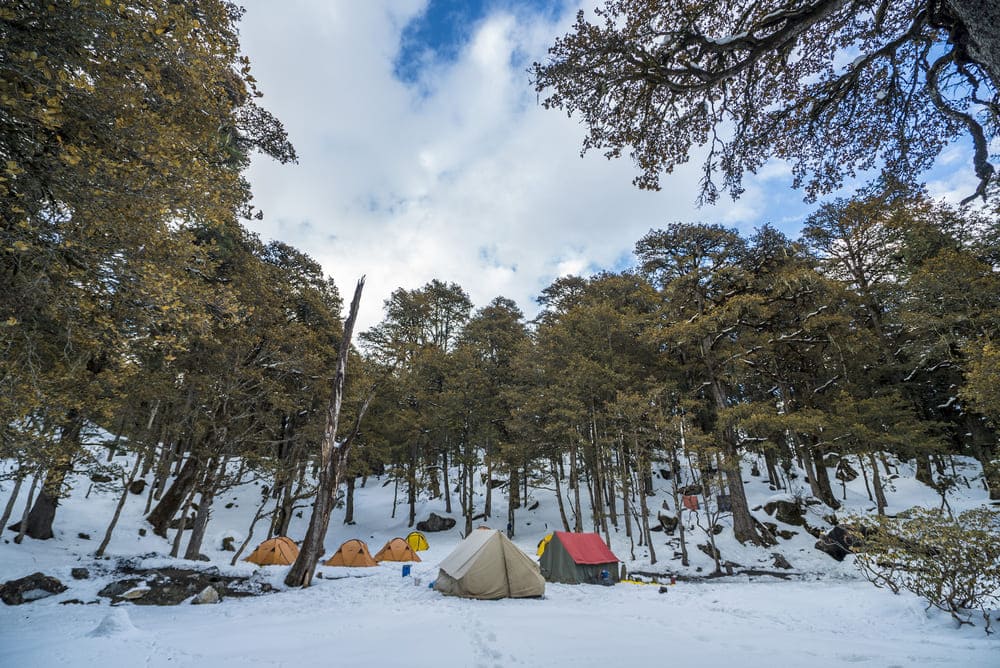
In January, the trek takes on a serious winter character—snow-filled forests, frozen streams, and extended ridge walks become part of the daily routine.
What makes Kuari Pass special is how patiently it unfolds. Instead of rushing you to a summit, the trail builds gradually through enchanting oak and rhododendron forests, where snow settles quietly on branches, and the trail feels calm and immersive. As you move higher, the forest opens up into wide landscapes, revealing expansive meadows like Gorson Bugyal and Chitrakantha, both of which turn into vast white fields in January.
Another exciting part of the trek is the climb towards Khullara Top. This section is steady and engaging, especially in the snow, and offers some of the best views on the trail. From here and along the ridge, you’re rewarded with stunning views of Mt. Nanda Devi, along with other prominent Himalayan peaks that seem to stay with you throughout the trek.
The campsites on Kuari Pass are another highlight. They’re spacious, scenic, and feel truly remote in winter. Waking up to snow all around, with peaks glowing in early morning light, is a big part of what makes this trek memorable.
If you’re looking for one of the best treks in January that offers snow, solitude, long walks, and classic Himalayan views without extreme technical difficulty, Kuari Pass fits that description perfectly.
Why Kuari Pass Is Ideal in January?
- Long, rewarding snow walks that feel immersive rather than rushed
- Continuous views of Mt. Nanda Devi and the surrounding peaks
- Snow-covered oak and rhododendron forests
- Open winter landscapes across Gorson Bugyal and Chitrakantha
- Exciting and scenic climb towards Khullara Top
- Less crowded than shorter, more popular winter treks
- Beautiful, picturesque campsites in snowy settings
Kuari Pass Trek – Short January Itinerary
Day 1: Drive from Rishikesh to Pipalkoti
Long scenic drive into the Garhwal Himalayas.
Day 2: Drive from Pipalkoti to Tugasi and drive to Gulling Top
Drive to Tugasi, then a short trek to the snow-covered Gulling Top campsite.
Day 3: Trek from Gulling Top to Tali Forest Camp
Steady walk through snow-filled forests.
Day 4: Trek from Tali Forest Camp to Kuari Pass via Khullara Top and Return
Long summit day with ridge walks and views of Mt. Nanda Devi.
Day 5: Trek from Tali Forest Camp to Gorson Bugyal to Auli and drive to Pipalkoti
Descend through wide snow meadows; drive back.
Day 6: Drive from Pipalkoti to Rishikesh
7. Sandakphu Trek (West Bengal)
Difficulty: Moderate
Best for: Scenic Trekkers, Cultural Experience
Duration: 6–7 days
Max Altitude: ~11,930 ft
Sandakphu is different from most winter treks, and that’s exactly its charm.
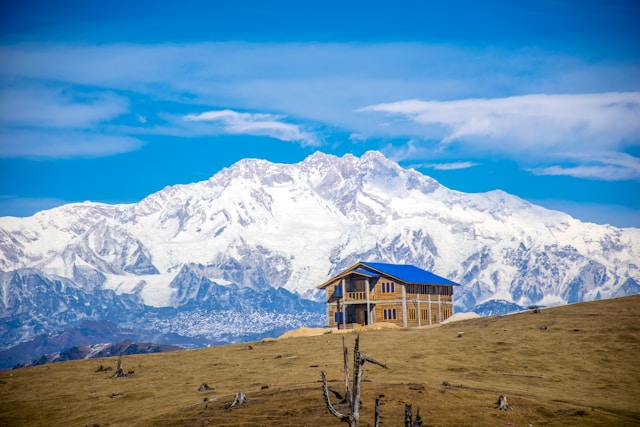
Yes, January brings snow, but what truly sets this trek apart are the views and the journey itself. Watching Everest and Kanchenjunga together in winter light, forming the famous Sleeping Buddha, is not something you forget easily. It’s one of those moments that quietly stays with you.
The trail runs along the Singalila Ridge, which means you’re often walking with vast Himalayan views opening up on both sides. In January, snow settles gently on the trail, making the walk scenic without turning it extreme. This is winter trekking at a comfortable pace.
What I really like about Sandakphu is how it blends trekking with culture. The route passes through picturesque villages like Tumling and Kalipokhri, where you stay in cosy tea houses instead of tents. Evenings are spent indoors, sharing warm meals, talking to locals, and soaking in the slow mountain life. It feels less like a hardcore expedition and more like a cultural journey through the Himalayas.
The forest sections inside Singalila National Park add another layer to the experience. Walking through these forests in January, with snow on the ground and silence all around, feels peaceful and immersive. The trek never feels rushed or overwhelming, making it ideal if you want winter trekking without dealing with extreme cold or technical challenges.
Sandakphu is perfect for those who want snow, big mountain views, village life, and culture, all wrapped into one journey.
Why Sandakphu Works Well in January?
- Stunning views of Everest and Kanchenjunga’s Sleeping Buddha
- Walks along the scenic Singalila Ridge
- Snow-covered trails without extreme winter conditions
- Picturesque villages and welcoming tea houses
- Forest walks inside Singalila National Park
- A unique blend of trekking and cultural experience
Sandakphu Trek – Short January Itinerary (via Phalut)
Day 1: Drive from NJP to Sepi
A scenic mountain drive that takes you closer to the Singalila range and sets the tone for the trek.
Day 2: Trek from Sepi to Samanden via Ramam
A long but beautiful walk through forests and traditional villages with gradual altitude gain.
Day 3: Trek from Samanden to Phalut via Gorkhey
A high-altitude trek offering wide Himalayan views and a strong sense of remoteness.
Day 4: Trek from Phalut to Thokum
A steady ridge walk in winter conditions with open landscapes and quiet trails.
Day 5: Trek from Thokum to Aal
A shorter walking day through remote sections, allowing time to enjoy the surroundings.
Day 6: Trek from Aal to Sandakphu, then descend to Timburey
The highlight day with sunrise views of the Sleeping Buddha, followed by a long descent.
Day 7: Trek from Timburey to Srikhola and Drive to NJP
A gentle final walk to the road head, followed by a return drive.
8. Chadar Trek (Ladakh)
Difficulty: Extremely Difficult
Best for: Experienced Winter Trekkers Only
Duration: 8–9 days
Max Altitude: ~11,100–12,000 ft
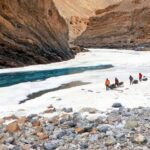
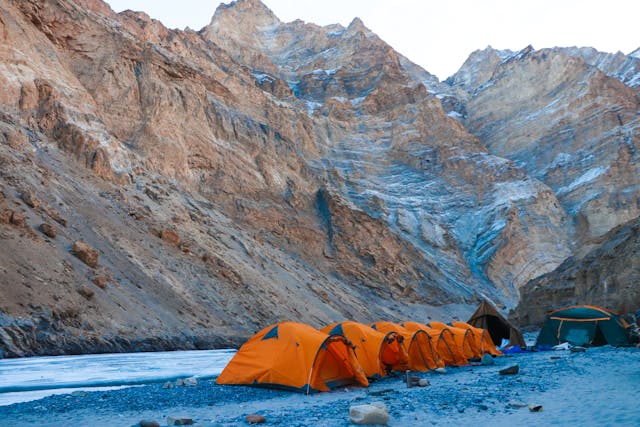
The Chadar Trek in January isn’t just a trek; it’s an expedition into a frozen world. Walking on the frozen Zanskar River is unlike any other trek you’ll ever do; here the trail is the ice itself, stretching for miles under towering Himalayan walls.
I always tell trekkers: this experience isn’t for experimentation. It’s not a beginner trek. You’re walking on ice in extreme cold, with daytime temperatures around -5°C to -10°C and nights dropping to -25°C or even colder.
January is the best window because the river freezes most reliably at this time, forming a thick sheet of ice, the “Chadar”, that can safely support trekkers for almost the entire route.
What makes this trek unforgettable isn’t just the ice beneath your feet, but the entire environment — narrow gorges, ice formations, frozen waterfalls, snow-covered cliffs, and that deep winter silence.
Every day is a test of endurance, mental strength, and discipline, and the stories you share around a campfire at night become part of the trek’s legend itself.
Overall, if you want to experience a totally different adventure from what other best winter treks in January offer, Chadar Trek is the best option in my opinion.
Why Chadar Trek in January Is Special?
- Trekking on a frozen river — a trail unlike any other in the world
- Snowy gorges, frozen waterfalls, icy cliffs, and a surreal winter landscape
- The ice trail (Chadar) itself becomes your walking path in peak winter
- A cultural glimpse into remote Zanskar Valley life and ancient routes
- A true mind-over-matter adventure where every day feels like a milestone
Chadar Trek Itinerary
Day 1: Arrive in Leh
Arrive in Leh and rest to begin altitude acclimatisation.
Day 2: Acclimatisation Day in Leh
Spend the day adjusting to the altitude with light movement and rest.
Day 3: Medical Test Day in Leh
Mandatory medical check to ensure your body is ready for extreme cold and conditions.
Day 4: Drive from Leh to Dib/Tiladoand Trek to Shingra Yokma
Drive to the roadhead and begin your first walk along the frozen Zanskar River.
Day 5: Trek from Shingra Yokma to Shingra Goma
Continue trekking on ice through narrow gorges and frozen river sections.
Day 6: Trek from Shingra Goma to Tsomo Paldar
A steady day of walking on thick ice with dramatic canyon walls on both sides.
Day 7: Trek from Tsomo Paldar to Shingra Yokma
The longest walking day on the frozen river, testing endurance and balance.
Day 8: Trek from Shingra Yokma to Dib/Tilado and Drive back to Leh
Complete the final ice walk and drive back to Leh, marking the end of the expedition.
Please note: The itineraries shared here for all treks are a general reference. Actual day-wise plans can change depending on the trek organiser, weather conditions, and ice stability. So, always confirm the final itinerary with your trek organiser before booking or starting the trek.
Lesser-Known Treks in January (For Quiet Seekers)
If crowded campsites and busy trails aren’t your thing, January offers a quieter side of the Himalayas that most trekkers never experience. These lesser-known winter treks receive good snowfall, yet remain largely untouched—making them ideal if you’re looking for silence, space, and a more personal mountain experience.
You won’t find long lines on the trail here. Instead, expect snow-covered forests, empty meadows, peaceful campsites, and villages where winter life moves slowly. These treks are perfect for trekkers who want snow without noise, and solitude without sacrificing scenery.
Here are some of the best lesser-known treks in January worth considering:
1. Dudhatoli Trek
- Location: Uttarakhand (near Lohajung / Tharali region)
- Duration: 5–6 days
- Trek Distance: ~30–35 km
- Difficulty: Moderate
- Best for: Trekkers seeking deep forest walks, solitude, and offbeat winter trails
Dudhatoli is all about dense oak and rhododendron forests wrapped in snow. January brings consistent snowfall, silent trails, and secluded campsites. There’s no rush to a summit here—this trek is for those who enjoy slow, immersive winter trekking away from crowds.
2. Gulabi Kantha Trek
- Location: Uttarakhand (near Sankri region)
- Duration: 4–5 days
- Trek Distance: ~25 km
- Difficulty: Easy to Moderate
- Best for: Beginners wanting snow meadows without crowd pressure
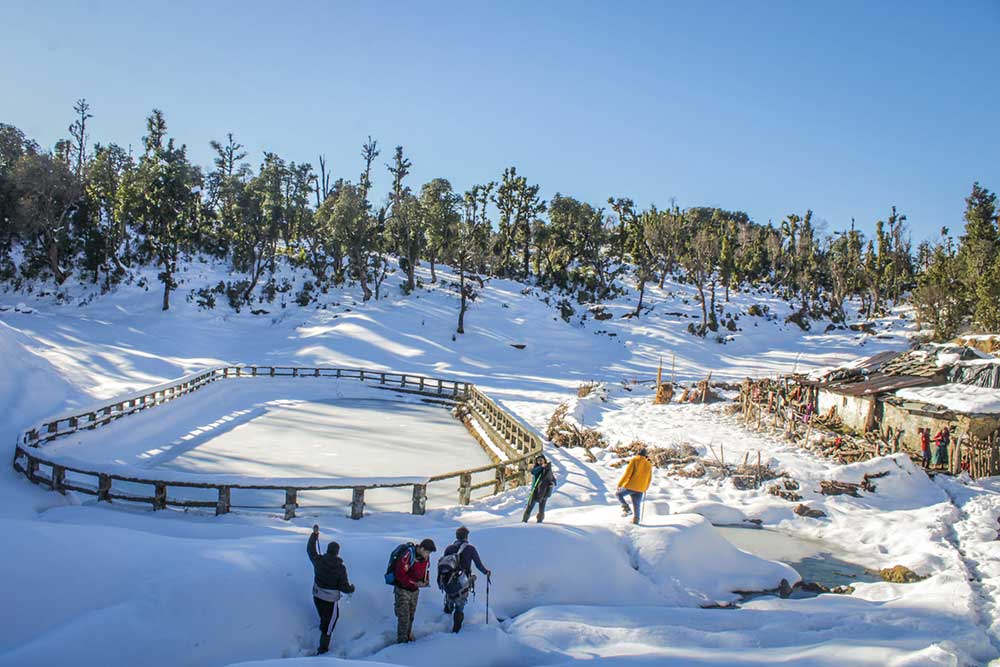
Gulabi Kantha offers wide, snow-covered meadows and gentle climbs in January. The trail feels open and calming, making it a great alternative to popular winter treks like Kedarkantha. Ideal if you want snow, views, and a relaxed pace.
3. Chirbatiya Weekend Trek
- Location: Uttarakhand (near Chakrata / Mussoorie region)
- Duration: 2 days
- Trek Distance: ~8–10 km
- Difficulty: Easy
- Best for: Weekend trekkers, first-time winter trekkers, working professionals
This is a short and sweet winter trek. January snowfall turns Chirbatiya into a beautiful forest-and-viewpoint walk. It’s perfect if you want to experience snow trekking without committing to a long itinerary.
4. Binsar Trek
- Location: Uttarakhand (Binsar Wildlife Sanctuary, Kumaon)
- Duration: 2–3 days
- Trek Distance: ~10–12 km
- Difficulty: Easy
- Best for: Nature lovers, slow trekkers, forest and wildlife enthusiasts
Binsar is less about trekking hard and more about soaking in winter forests. January brings crisp air, quiet trails, and occasional Himalayan views. It’s ideal if you want a gentle winter hike with a strong nature focus rather than a summit goal.
Why Choose Lesser-Known Treks in January?
- Snow-covered trails with very few people
- Peaceful campsites and forest sections
- Ideal for trekkers who value solitude over popularity
- Great stepping stones before attempting longer winter treks
A more authentic and personal winter trekking experience
FAQ about Best Treks in January 2026
Which is the king of winter treks in India?
Which is the most beautiful winter trek in India?
Is Chandrashila peak accessible in January?
Is Kedarkantha Trek safe in January?
Can beginners trek in January?
What is the best trek for beginners in January?
Nag Tibba Trek (short and easy)
Chopta Chandrashila Trek
Dayara Bugyal Trek (gentle gradients)
Kedarkantha Trek (beginner-friendly summit)
These treks offer snow experiences without extreme altitude or technical difficulty, making them perfect for first-time winter trekkers.
Final Takeaway
January is not just another trekking month; it’s when the Himalayas reveal their raw, untouched side. From beginner-friendly snow walks to legendary expeditions like the Chadar trek in January, this season offers an unmatched variety.
If planned correctly, the best treks in January 2026 can be safe, transformative, and deeply rewarding. Choose the right trek for your experience level, pack wisely, and step into a winter landscape that few get to witness at its best.